
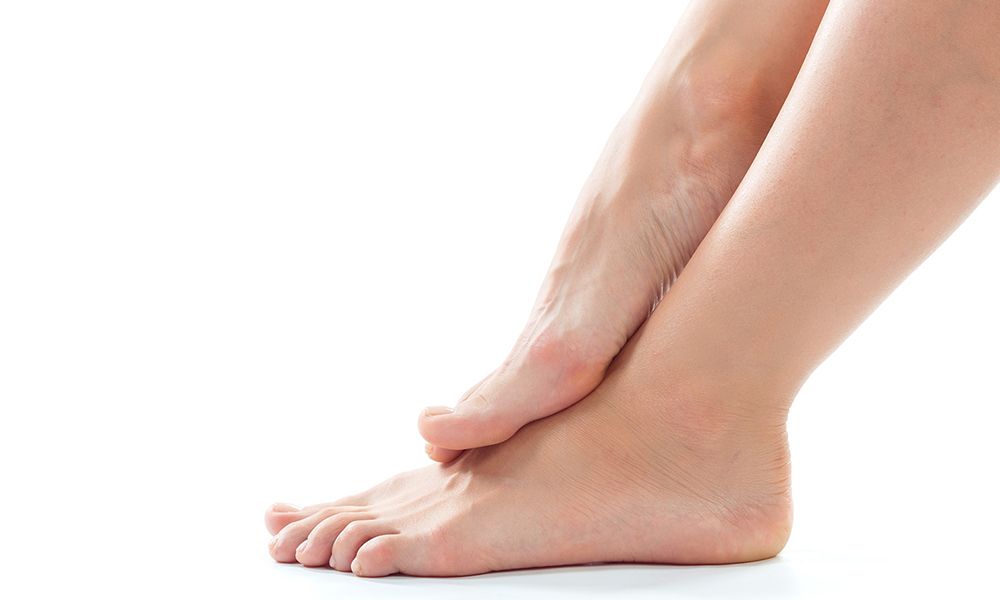
What it is
A flexible flatfoot that has been present since childhood and causes no pain generally needs nothing more than good footwear. The concern is adult-acquired flatfoot, where the posterior tibial tendon gradually fails and an arch that was previously normal begins to collapse.
That process is progressive. Caught early, bracing and orthotics can halt it. Caught late, the hindfoot becomes rigid and correction requires reconstruction.
Symptoms we look for
- An arch that has visibly flattened over recent years
- Aching along the inside of the ankle or arch
- Difficulty standing on tiptoe on the affected side
- Shoes wearing out unevenly on the inner edge
How we treat it
- Assessment to distinguish flexible from rigid flatfoot
- Custom orthotics and supportive footwear
- Bracing for posterior tibial tendon dysfunction
- Physical therapy for tendon strengthening
- Reconstructive surgery for progressive deformity
When to see a podiatrist
If your arch is lower than it used to be, or the inside of your ankle aches after standing, get evaluated. Adult-acquired flatfoot is far easier to manage in its earlier stages.
Common questions
Do flat feet always need treatment?
No. A painless, flexible flatfoot in an adult who has always had one usually needs nothing beyond sensible shoes.
Should my child's flat feet be treated?
Usually not before age six or so, unless there is pain, an unusually rigid foot, or difficulty keeping up with peers.