
What it is
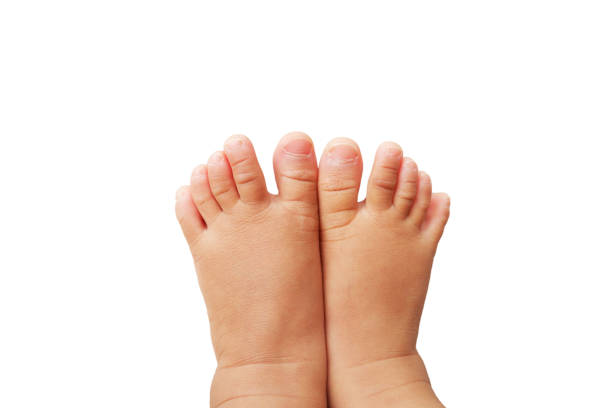
Children's feet change rapidly, and many appearances that worry parents — flat arches in a toddler, in-toeing in a three-year-old — are entirely normal stages that resolve on their own.
What is not normal is pain. A child who complains of foot or heel pain, who cannot keep up with peers, or who avoids activity they used to enjoy should be examined. Sever's disease, tarsal coalitions and growth-plate injuries all present this way.
Symptoms we look for
- A child complaining of heel, arch or foot pain
- Limping, or reluctance to run and play
- Frequent tripping or unusual walking pattern
- Uneven shoe wear or nail and skin problems
How we treat it
- Developmental assessment and gait examination
- Reassurance and monitoring where findings are normal
- Custom or prefabricated orthotics where indicated
- Activity modification and heel cups for Sever's disease
- Referral or surgical assessment for structural abnormalities
When to see a podiatrist
Growing pains should not stop a child from playing. If foot pain is limiting activity, lasting more than a couple of weeks, or affecting one side only, have it looked at.
Common questions
At what age should flat feet be treated?
Arches typically develop by age six. Before that, flat feet are usually normal unless the child is in pain or the foot is rigid.
Are orthotics safe for children?
Yes, when they are indicated. We do not prescribe them routinely for a normal developing foot.